
Marketing has evolved rapidly in recent years, yet traditional and digital advertising continue to play significant roles in business growth. In India, where diverse demographics and regional variations impact consumer behavior, the battle between flex board advertising and digital marketing remains a hot topic. While online marketing reaches global audiences with precision, flex boards offer undeniable visibility and credibility at the local level.
This blog explores the strengths, limitations, and effectiveness of both strategies to help businesses decide the best approach for their marketing goals.
1. Understanding Flex Board Advertising
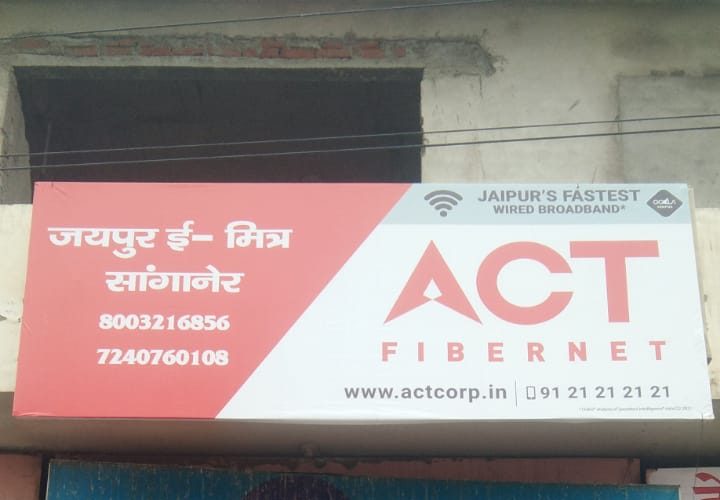
Flex board advertising is a traditional form of outdoor advertising that involves printed banners or hoardings displayed in high-visibility areas. It has been a dominant advertising method in India due to its affordability and widespread impact.
Key Benefits of Flex Board Advertising:
- Round-the-Clock Exposure – Unlike digital ads, flex boards remain visible 24/7.
- Localized Impact – Businesses can target specific neighborhoods and regions effectively.
- Cost-Effective – Once installed, a flex board requires no recurring costs.
- Strong Brand Recall – The physical presence of a brand fosters trust and credibility.
- Ideal for All Businesses – From small retailers to political campaigns, flex boards cater to diverse industries.
Limitations of Flex Boards:
- Limited Interactivity – Unlike digital ads, they do not provide instant engagement.
- Space Constraints – Message delivery depends on the board’s size and location.
- Environmental Concerns – Traditional flex materials contribute to non-biodegradable waste.
Example:
A restaurant in Mumbai increased foot traffic by 40% after placing flex boards near railway stations and office hubs.
2. Understanding Digital Marketing
Digital marketing encompasses online strategies such as social media advertising, search engine optimization (SEO), pay-per-click (PPC) ads, and email marketing. With over 900 million internet users in India, businesses leverage digital platforms to expand their reach and connect with targeted audiences.
Key Benefits of Digital Marketing:
- Wider Audience Reach – Targets local, national, and global markets simultaneously.
- Precise Targeting – Advanced analytics enable businesses to reach specific demographics.
- Interactive Engagement – Customers can interact through likes, shares, and comments.
- Cost Efficiency for Startups – Social media and organic SEO offer budget-friendly options.
- Performance Tracking – Analytics tools provide insights into ad performance and customer behavior.
Limitations of Digital Marketing:
- High Competition – Saturation in online spaces makes visibility challenging.
- Requires Constant Optimization – Continuous updates and content creation are necessary.
- Ad Fatigue – Overexposure to digital ads can reduce effectiveness.
Example:
An online clothing brand in Bengaluru boosted sales by 60% after implementing targeted Facebook and Instagram ads.
3. Cost Comparison: Flex Boards vs. Digital Marketing
Understanding the cost dynamics of each advertising strategy helps businesses allocate budgets efficiently.
Flex Board Advertising Costs:
- Design & Printing: ₹3,000 – ₹10,000 per board (depending on size and quality)
- Installation & Rent: ₹5,000 – ₹50,000 per location per month (varies by city and area)
- Maintenance: Minimal, with occasional replacements needed
Digital Marketing Costs:
- Social Media Ads: ₹500 – ₹50,000 per campaign (depends on reach and duration)
- SEO Optimization: ₹10,000 – ₹1,00,000 per month (depends on competition)
- Google Ads: ₹5 – ₹500 per click (varies based on industry and keywords)
- Content Creation: ₹5,000 – ₹50,000 per month (for blogs, videos, and graphics)
Which One is More Affordable?
- For short-term visibility, flex boards offer a cost-effective option.
- For long-term brand-building, digital marketing provides scalable solutions.
4. Reach and Visibility: Which One Wins?
Flex Boards:
- Best for targeting pedestrians, commuters, and hyperlocal audiences.
- Unaffected by internet access or ad blockers.
- More reliable in rural and semi-urban areas.
Digital Marketing:
- Can target both local and international audiences.
- Allows businesses to retarget potential customers with personalized ads.
- Dependent on internet penetration and smartphone usage.
Conclusion:
For businesses looking to dominate local markets, flex boards excel. For those seeking a broader audience, digital marketing is indispensable.
5. Engagement and Interaction: Digital Leads the Way
Why Digital Marketing Wins Here:
- Customers can instantly interact with ads, make inquiries, and purchase products.
- Social media ads enable businesses to engage through comments and shares.
- Email marketing and chatbots provide personalized communication.
Why Flex Boards Still Matter:
- Physical presence instills trust, especially for new businesses.
- Ideal for older demographics less engaged with digital platforms.
Example:
A local gym in Chennai used QR codes on flex boards to link customers to WhatsApp inquiries, combining traditional and digital approaches effectively.
6. Trust and Credibility: Traditional Advertising Still Holds Strong
Many Indian consumers still trust physical advertising more than online ads due to increasing concerns over fake promotions and scams.
Why Flex Boards Build Trust:
- Physical presence reinforces legitimacy.
- Difficult to manipulate, unlike online reviews and ads.
- Best suited for healthcare, real estate, and political campaigns.
Why Digital Marketing Faces Trust Issues:
- Higher chances of encountering misleading ads or online fraud.
- Consumers often ignore digital ads due to oversaturation.
Case Study:
A real estate firm in Delhi generated 80% more inquiries using large flex boards compared to its digital campaigns due to the trust factor.
7. The Future of Advertising in India: A Hybrid Approach
Rather than choosing one method, businesses can integrate both for maximum impact.
Smart Hybrid Strategies:
- QR Code Flex Boards: Link customers to online stores or appointment bookings.
- Social Media + Local Billboards: Run Facebook campaigns while using physical ads in high-traffic areas.
- WhatsApp Promotions from Offline Ads: Encourage people to send inquiries via WhatsApp after seeing a flex board.
Example:
A coaching center in Hyderabad combined Google Ads with well-placed flex boards, resulting in a 75% enrollment increase.
Final Verdict: Which One Works Better?
| Criteria | Flex Board Advertising | Digital Marketing |
|---|---|---|
| Cost-Effectiveness | ✅ Budget-Friendly | ⚠️ Scalable but Costly |
| Audience Reach | ⚠️ Local & Hyperlocal | ✅ Global & Targeted |
| Engagement | ⚠️ Limited Interaction | ✅ High Interactivity |
| Brand Recall | ✅ Strong Physical Presence | ⚠️ Requires Continuous Engagement |
| Trust Factor | ✅ Highly Reliable | ⚠️ Prone to Misinformation |
| Environmental Impact | ⚠️ Non-biodegradable (unless eco-friendly) | ✅ Sustainable |
Who Should Choose Flex Boards?
- Local businesses targeting walk-in customers.
- Political campaigns, festivals, and traditional industries.
- Businesses in regions with low digital penetration.
Who Should Choose Digital Marketing?
- E-commerce brands, startups, and service-based businesses.
- Companies targeting young, tech-savvy audiences.
- Businesses looking for measurable and scalable marketing.